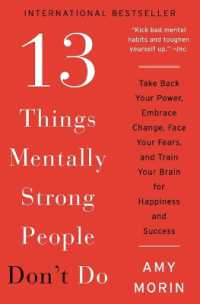
13 Things Mentally Strong People Don’t Do: How to Increase Your Mental Strength, Declutter Your Mind, and Unlock Your Inner Confidence
13 Things Mentally Strong People Don’t Do by Amy Morin reveals the key habits that hold people back from reaching their greatest potential. Drawing on her experience as a licensed clinical social worker and her personal journey through tragedy, Morin provides practical strategies for building mental strength and resilience. The book combines psychological insights with real-world examples to help readers develop the mental fortitude needed to overcome life’s challenges and achieve their goals.
The Central Premise: Mental Strength as a Muscle
Morin’s core argument is that mental strength is like a muscle that can be developed through consistent practice. She identifies 13 specific habits that mentally strong people avoid, providing readers with a clear roadmap for building resilience, confidence, and emotional intelligence. The book’s central message is that everyone has the capacity to develop mental strength, regardless of their circumstances or past experiences.
The Foundation of Mental Strength
Morin defines mental strength as the ability to:
- Regulate emotions effectively
- Manage thoughts constructively
- Behave in ways that support personal growth
- Maintain confidence during difficult times
- Make decisions based on values rather than feelings
- Take calculated risks
- Learn from failure
- Adapt to change
- Persist in the face of obstacles
- Maintain perspective during crises
The Three Core Areas of Mental Strength
The book organizes mental strength into three interconnected domains:
- Managing Emotions: Learning to regulate feelings without suppressing them
- Managing Thoughts: Developing healthy thinking patterns and eliminating cognitive distortions
- Managing Behaviors: Acting in alignment with values rather than impulses
The 13 Things Mentally Strong People Don’t Do
1. They Don’t Waste Time Feeling Sorry for Themselves
Mentally strong people acknowledge their emotions but don’t get stuck in self-pity:
- Emotional Acceptance: They feel sad, disappointed, or frustrated without judgment
- Focus on Solutions: Rather than dwelling on problems, they seek actionable solutions
- Avoid Victim Mentality: They don’t see themselves as powerless victims of circumstance
- Maintain Agency: They recognize their ability to influence outcomes through their choices
2. They Don’t Give Away Their Power
Strong individuals maintain control over their responses to external events:
- Internal Locus of Control: They believe they have influence over their lives
- Response vs. Reaction: They pause before responding rather than reacting impulsively
- Boundary Setting: They protect their energy and values from external pressures
- Decision-Making Authority: They make choices based on their values rather than others’ opinions
3. They Don’t Shy Away from Change
Mentally strong people embrace change as an opportunity for growth:
- Flexibility: They adapt to new circumstances rather than resisting them
- Growth Mindset: They view challenges as chances to develop new skills
- Uncertainty Tolerance: They’re comfortable with ambiguity and unknown outcomes
- Proactive Approach: They initiate change when needed rather than waiting for it to happen
4. They Don’t Waste Energy on Things They Can’t Control
Strong individuals focus their efforts on what they can influence:
- Control Recognition: They distinguish between controllable and uncontrollable factors
- Strategic Focus: They invest energy in areas where they can make a difference
- Acceptance Practice: They let go of what they cannot change
- Problem-Solving Efficiency: They direct their problem-solving skills toward solvable issues
5. They Don’t Worry About Pleasing Everyone
Mentally strong people prioritize their values over universal approval:
- Authenticity: They remain true to themselves rather than trying to be everything to everyone
- Selective Relationships: They invest in meaningful connections rather than superficial ones
- Boundary Enforcement: They say no when necessary without guilt
- Self-Respect: They maintain their dignity and self-worth regardless of others’ opinions
6. They Don’t Fear Taking Calculated Risks
Strong individuals understand that growth requires stepping outside comfort zones:
- Risk Assessment: They evaluate potential outcomes before making decisions
- Courage Development: They build bravery through gradual exposure to challenges
- Learning Orientation: They view failures as valuable learning experiences
- Opportunity Recognition: They identify and pursue beneficial opportunities
7. They Don’t Dwell on the Past
Mentally strong people learn from history without being trapped by it:
- Historical Perspective: They extract lessons from past experiences
- Forward Focus: They direct attention toward future possibilities rather than past regrets
- Growth Recognition: They acknowledge personal development over time
- Present-Moment Awareness: They engage fully with current opportunities
8. They Don’t Make the Same Mistakes Over and Over
Strong individuals learn from their errors and adjust their approach:
- Self-Reflection Practice: They regularly assess their decisions and outcomes
- Pattern Recognition: They identify recurring mistakes and their underlying causes
- Adaptive Behavior: They modify their strategies based on feedback
- Continuous Improvement: They commit to ongoing personal development
9. They Don’t Resent Other People’s Success
Mentally strong people celebrate others’ achievements without diminishing their own worth:
- Abundance Mindset: They believe there’s enough success for everyone
- Comparative Awareness: They recognize that others’ success doesn’t diminish their opportunities
- Inspiration Seeking: They use others’ achievements as motivation rather than intimidation
- Collaborative Thinking: They look for ways to partner with successful individuals
10. They Don’t Give Up After the First Failure
Strong individuals persist through setbacks and obstacles:
- Resilience Building: They develop bounce-back ability through practice
- Growth Recognition: They understand that failure is part of the learning process
- Perseverance Practice: They maintain commitment to goals despite temporary defeats
- Adaptive Strategy: They modify approaches rather than abandoning objectives
11. They Don’t Fear Alone Time
Mentally strong people are comfortable with solitude and self-reflection:
- Solitude Appreciation: They value time alone for personal growth and renewal
- Self-Reliance: They develop confidence in their ability to entertain and support themselves
- Internal Validation: They don’t depend on external sources for self-worth
- Mindful Presence: They engage fully with their thoughts and feelings without distraction
12. They Don’t Feel the World Owes Them Anything
Strong individuals take responsibility for creating their own success:
- Ownership Mentality: They accept accountability for their circumstances and outcomes
- Effort Investment: They understand that achievement requires work and dedication
- Gratitude Practice: They appreciate what they have rather than focusing on what they lack
- Value Creation: They contribute to others’ lives rather than expecting constant service
13. They Don’t Expect Immediate Results
Mentally strong people understand that meaningful change takes time:
- Patience Development: They cultivate the ability to wait for long-term rewards
- Process Focus: They concentrate on consistent daily actions rather than instant outcomes
- Delayed Gratification: They resist immediate temptations for greater future benefits
- Long-Term Vision: They maintain sight of ultimate goals despite short-term challenges
Personal Stories and Professional Insights
Morin’s Personal Journey
Throughout the book, Morin shares her own experiences with loss and trauma:
- Tragic Loss: The sudden death of her mother in a car accident at age 27
- Professional Growth: How therapy training helped her process grief
- Strength Development: Her journey toward mental resilience through personal and professional challenges
- Empathy Building: How her experiences enhanced her ability to help others
Client Case Studies
The book includes anonymized examples from Morin’s therapy practice:
- Anxiety Management: Clients who learned to control worry and fear
- Trauma Recovery: Individuals who rebuilt their lives after devastating losses
- Career Transitions: Professionals who navigated major life changes successfully
- Relationship Healing: People who developed healthier connections with others
Practical Strategies for Building Mental Strength
Daily Mental Strength Exercises
Morin provides specific activities for developing resilience:
- Mindfulness Practice: Regular meditation or awareness exercises
- Gratitude Journaling: Daily recording of things for which to be thankful
- Cognitive Restructuring: Challenging and changing negative thought patterns
- Goal Setting: Creating specific, measurable objectives with timelines
- Self-Compassion Practice: Treating oneself with kindness during difficult times
Weekly Reflection Practices
Strategies for ongoing self-assessment and growth:
- Progress Tracking: Monitoring improvements in mental strength over time
- Pattern Recognition: Identifying recurring challenges and successful responses
- Value Alignment: Ensuring actions match personal principles and priorities
- Learning Integration: Applying insights from experiences to future situations
Monthly Growth Assessments
Longer-term evaluation methods:
- Habit Review: Assessing which practices support mental strength development
- Relationship Audit: Evaluating connections that enhance or drain energy
- Goal Progress: Measuring advancement toward significant objectives
- Skill Development: Identifying areas for continued growth and improvement
The Science Behind Mental Strength
Psychological Research
Evidence supporting Morin’s approaches:
- Resilience Studies: Research on how people bounce back from adversity
- Cognitive Behavioral Therapy: Evidence-based techniques for changing thought patterns
- Positive Psychology: Findings on factors that contribute to well-being and satisfaction
- Neuroplasticity: How the brain adapts and changes throughout life
Neuroscience Insights
How the brain supports mental strength development:
- Habit Formation: Neurological processes that make behaviors automatic
- Stress Response: How mindset affects the body’s reaction to challenges
- Emotional Regulation: Brain mechanisms that help manage feelings effectively
- Learning Processes: How new skills and perspectives become ingrained
Applications in Different Life Areas
Career Development
Ways to apply mental strength principles professionally:
- Leadership Skills: Developing confidence to guide and inspire others
- Decision Making: Making choices based on values rather than emotions
- Stress Management: Handling workplace pressures with composure
- Goal Achievement: Persisting through challenges to reach professional objectives
Relationships
How mental strength enhances connections with others:
- Communication Skills: Expressing needs and boundaries clearly and respectfully
- Conflict Resolution: Addressing disagreements constructively rather than avoiding them
- Empathy Development: Understanding others’ perspectives without losing personal identity
- Support Systems: Building networks that provide encouragement and assistance
Personal Health and Wellness
Mental strength’s role in physical and emotional well-being:
- Self-Care Practices: Prioritizing activities that restore energy and health
- Health Behavior Change: Developing consistent habits that support wellness
- Stress Management: Using mental techniques to reduce physical tension and anxiety
- Recovery Support: Building resilience to bounce back from illness or injury
Financial Success
How mental strength contributes to economic stability and growth:
- Money Mindset: Overcoming limiting beliefs about wealth and abundance
- Financial Discipline: Developing consistent savings and spending habits
- Investment Confidence: Making informed decisions about financial opportunities
- Long-Term Planning: Maintaining focus on future security despite present temptations
Common Challenges and Solutions
Obstacles to Mental Strength Development
Typical barriers people face and how to overcome them:
- Fear of Change: Resistance to leaving comfort zones despite knowing change is necessary
- Negative Self-Talk: Internal criticism that undermines confidence and progress
- Perfectionism: Unrealistic standards that prevent action and risk-taking
- Comparison Trap: Measuring success against others rather than personal growth
- Instant Gratification: Preference for immediate rewards over long-term benefits
Strategies for Overcoming Challenges
Practical approaches to common obstacles:
- Gradual Exposure: Making small, manageable changes rather than dramatic overhauls
- Cognitive Restructuring: Challenging and changing negative thought patterns
- Process Focus: Concentrating on consistent effort rather than perfect outcomes
- Personal Benchmarking: Comparing progress to past self rather than others
- Delayed Gratification Practice: Building patience through small daily exercises
Criticisms and Limitations
Potential Concerns
Some limitations of the mental strength approach:
- Oversimplification: Risk of making complex psychological issues seem too easy to solve
- Individual Differences: Recognition that not all strategies work for everyone
- Cultural Considerations: Understanding that mental strength concepts may vary across cultures
- Severity Limitations: Acknowledgment that serious mental health issues require professional intervention
Balanced Perspective
Morin addresses these concerns while maintaining:
- Professional Boundaries: Clear distinction between self-help and therapy
- Individual Variation: Recognition that approaches must be tailored to each person
- Cultural Sensitivity: Understanding that values and practices vary across communities
- Clinical Awareness: Recognition of when professional help is necessary
Related Concepts and Influences
Cognitive Behavioral Therapy
Connections to established therapeutic approaches:
- Thought-Changing Techniques: Methods for identifying and modifying negative thinking patterns
- Behavioral Activation: Strategies for engaging in positive activities
- Exposure Therapy: Gradual confrontation of feared situations
- Homework Assignments: Practical exercises to reinforce learning between sessions
Positive Psychology
Links to research on well-being and fulfillment:
- Character Strengths: Identification and development of personal virtues
- Flow Theory: Engagement in activities that fully absorb attention and energy
- Gratitude Research: Studies demonstrating benefits of appreciating what one has
- Resilience Science: Findings on how people recover from adversity
Mindfulness Practices
Connections to present-moment awareness techniques:
- Meditation Training: Formal practices for developing attention and awareness
- Acceptance Strategies: Learning to acknowledge experiences without resistance
- Stress Reduction: Techniques for managing anxiety and pressure
- Emotional Regulation: Methods for managing feelings without suppression
Implementation Roadmap
Getting Started
Initial steps for building mental strength:
- Self-Assessment: Identifying current strengths and areas for improvement
- Goal Setting: Creating specific, measurable objectives for development
- Small Changes: Beginning with manageable adjustments rather than dramatic overhauls
- Support Systems: Connecting with others who encourage growth and positive change
Building Momentum
Ways to maintain progress over time:
- Habit Formation: Establishing consistent practices that support mental strength
- Progress Tracking: Monitoring improvements and celebrating victories
- Community Engagement: Participating in groups that share similar goals
- Professional Development: Seeking education and training that enhances capabilities
Long-Term Sustainability
Strategies for maintaining mental strength throughout life:
- Lifelong Learning: Continuing to grow and develop new skills and perspectives
- Regular Assessment: Periodically evaluating progress and adjusting approaches
- Adaptive Flexibility: Modifying strategies as circumstances and needs change
- Legacy Creation: Using mental strength to make positive contributions to others
The Impact of Mental Strength
Personal Transformation
How developing mental strength changes individual lives:
- Confidence Building: Increased self-assurance in facing challenges and opportunities
- Emotional Stability: Better ability to manage feelings and maintain equilibrium
- Relationship Improvement: Deeper, more authentic connections with others
- Goal Achievement: Greater success in reaching important objectives
Professional Success
Benefits of mental strength in career contexts:
- Leadership Development: Enhanced ability to guide and inspire teams
- Decision Making: Improved capacity to make sound choices under pressure
- Stress Management: Better handling of workplace challenges and demands
- Innovation: Increased willingness to take calculated risks and try new approaches
Community Contribution
How individual mental strength benefits broader society:
- Role Modeling: Demonstrating healthy approaches to others
- Support Provision: Offering encouragement and assistance to those in need
- Problem Solving: Contributing creative solutions to community challenges
- Positive Influence: Creating ripple effects that enhance collective well-being
Conclusion
13 Things Mentally Strong People Don’t Do provides a practical and accessible roadmap for developing the resilience, confidence, and emotional intelligence needed to thrive in today’s challenging world. Amy Morin’s combination of professional expertise and personal experience makes complex psychological concepts relatable and actionable.
The book’s central message is empowering: mental strength is not an innate trait reserved for a select few, but a skill that can be developed through consistent practice. By identifying and eliminating the 13 habits that hold people back, readers can build the psychological resilience needed to overcome obstacles, achieve goals, and live more fulfilling lives.
Whether you’re recovering from personal tragedy, struggling with self-doubt, or simply seeking to enhance your emotional well-being, 13 Things Mentally Strong People Don’t Do offers valuable tools for transformation. Morin’s insights help readers:
- Recognize the habits that undermine confidence and resilience
- Develop practical strategies for building mental strength
- Apply psychological principles to real-world challenges
- Create lasting change through consistent daily practices
The book’s enduring popularity reflects a widespread need for guidance on emotional resilience and personal development. In an era of increasing stress, uncertainty, and social pressure, Morin’s approach provides a foundation for maintaining psychological well-being regardless of external circumstances.
Most importantly, 13 Things Mentally Strong People Don’t Do reminds readers that they have more control over their emotional lives than they might realize. By taking responsibility for their thoughts, feelings, and behaviors, individuals can develop the mental strength needed to navigate life’s challenges with grace, confidence, and purpose.
The book ultimately encourages readers to shift from being passive victims of circumstance to active architects of their emotional well-being. This transformation from helplessness to empowerment represents the profound potential for positive change that makes this book such a valuable resource for anyone seeking to live a more resilient, confident, and fulfilling life.
Through practical exercises, real-world examples, and Morin’s compassionate yet direct approach, readers learn to:
- Stop wasting energy on unproductive habits
- Take control of their responses to life’s challenges
- Build confidence in their ability to handle whatever comes their way
- Create lives that reflect their deepest values and highest potential
As Morin so effectively demonstrates, the path to mental strength doesn’t require dramatic transformations or heroic efforts. It begins with small, consistent choices to eliminate habits that drain energy and replace them with practices that build resilience. These simple actions, when compounded over time, create the kind of transformational results that make 13 Things Mentally Strong People Don’t Do such a compelling guide for personal growth.
The book’s lasting impact lies in its ability to make the complex science of psychology accessible and immediately applicable. By focusing on concrete behaviors rather than abstract concepts, Morin provides readers with a clear action plan for developing the mental fortitude that is essential for success, happiness, and meaningful contribution to the world around them.
Ultimately, 13 Things Mentally Strong People Don’t Do serves as both a practical guide and an inspirational call to action. It reminds us that while we cannot control everything that happens to us, we can control how we respond, and that control—exercised through consistent practice of mental strength principles—is where our power to shape our lives truly lies.