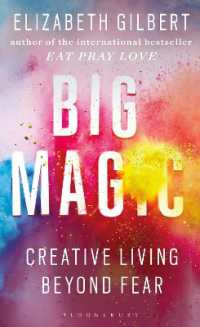
Big Magic: Creative Living Beyond Fear
Big Magic: Creative Living Beyond Fear is Elizabeth Gilbert’s inspiring exploration of creativity and the creative process, offering readers a refreshing perspective on how to live a more creatively fulfilled life. Drawing on her own experiences as a writer and insights from other creative individuals, Gilbert challenges conventional notions about creativity and provides practical guidance for overcoming the fears and obstacles that prevent people from pursuing their creative passions.
The Central Premise: Creative Living
Gilbert’s central argument is that creativity is not the exclusive domain of artists, writers, and musicians, but rather a natural human impulse that everyone possesses. She distinguishes between “creative living” and simply being a “creative person,” suggesting that creative living is about embracing curiosity, taking risks, and finding joy in the process of creation rather than focusing solely on outcomes or recognition.
Part I: The Attitude
Embracing Curiosity Over Passion
Gilbert challenges the common emphasis on “passion” as the driving force behind creative work. Instead, she advocates for following curiosity over passion, which she sees as a more reliable and sustainable motivator. Curiosity is lighter, more playful, and less demanding than passion, making it easier to sustain over time.
Letting Go of the Tortured Artist Myth
Gilbert debunks the myth that creativity requires suffering and that artists must be tormented to produce great work. She argues that this narrative is not only harmful but also unnecessary, and that creative work can be pursued with joy and enthusiasm rather than anguish.
Accepting the Mystery
Rather than trying to control or fully understand the creative process, Gilbert encourages readers to accept its mysterious nature. She suggests that creativity is a collaborative process between the creator and the creative forces of the universe, introducing the concept of “creative living” as a way of being open to inspiration and ideas that come from outside ourselves.
Part II: The Obstacles
Fear and Its Role in Creative Work
Gilbert acknowledges that fear is a natural part of the creative process, but argues that it should not be a barrier to creative expression. Instead of trying to eliminate fear, she suggests acknowledging it and moving forward despite it. She distinguishes between fear and resistance - fear is natural and protective while resistance is destructive and paralyzing.
Perfectionism and Its Pitfalls
Gilbert explores how perfectionism can stifle creativity by creating unrealistic expectations and paralyzing creators with the fear of not meeting those expectations. She encourages readers to embrace imperfection and see their work as a process rather than a product that must be flawless.
The Pressure to Be Original
Gilbert challenges the pressure to be completely original, suggesting that there are only so many stories, ideas, and creative expressions in the world, and that our job is not to create something entirely new but to express our unique perspective on existing themes and ideas.
The Comparison Trap
She addresses how comparing ourselves to other creatives can be detrimental to our own creative journey, encouraging readers to focus on their own path and process rather than measuring themselves against others.
Part III: The Solutions
Living a Creative Life
Gilbert provides practical advice for incorporating creativity into daily life, regardless of one’s profession or circumstances. She emphasizes that creative living is not about making a living from your art but about making a life that includes creative expression.
The Importance of Persistence
She discusses the role of persistence in creative work, emphasizing that talent is less important than dedication and the willingness to keep going despite setbacks and failures.
Finding Time for Creative Work
Gilbert offers strategies for making time for creative pursuits, even in busy lives. She suggests that creativity doesn’t require large blocks of time but can be nurtured through small, consistent efforts.
Embracing the Unknown
She encourages readers to be comfortable with uncertainty and to see the unknown as an opportunity for discovery rather than something to be feared.
Part IV: The Perspectives
On Being an Artist
Gilbert explores what it means to be an artist in the world, emphasizing that being an artist is not about achieving fame or recognition but about living authentically and expressing one’s unique perspective.
On Failure and Success
She redefines failure and success in creative terms, suggesting that failure is a natural part of the learning process and that success should be measured by personal fulfillment rather than external validation.
On the Creative Process
Gilbert shares insights about the nature of the creative process itself, including the importance of routine, the role of inspiration, and how to handle creative blocks.
On the Responsibility of the Artist
She discusses the responsibility that comes with creative expression, including the importance of authenticity, the impact of our work on others, and the need to use our creative gifts wisely.
Key Concepts and Principles
The Creative Partnership
Gilbert introduces the idea that creativity is a partnership between the creator and the creative forces of the universe. She suggests that ideas are living entities that seek expression through willing partners, and that our role is to be open to these ideas and give them form.
The Difference Between Fear and Resistance
She distinguishes between fear and resistance - fear is natural and can even be helpful, while resistance is destructive and prevents us from doing our work. Understanding this difference helps creators move forward despite feeling afraid.
The Importance of Showing Up
Gilbert emphasizes that creativity requires showing up consistently, even when we don’t feel inspired or talented. She argues that showing up is more important than waiting for the perfect moment or ideal conditions.
The Gift of Creativity
She frames creative work as a gift that we give to the world, rather than a product that we must sell or a way to prove our worth. This perspective helps reduce the pressure and anxiety that often accompany creative endeavors.
Practical Applications
For Writers and Artists
- Embrace curiosity as a guide rather than waiting for passion to strike
- Show up for your work consistently, even when you don’t feel like it
- Let go of the need to be perfect or original
- Accept that fear is a natural part of the creative process
For Professionals in Other Fields
- Find ways to incorporate creative expression into your daily work
- Pursue creative hobbies and interests outside of your profession
- Apply creative problem-solving techniques to professional challenges
- See your work as an opportunity for creative expression
For Anyone Seeking a More Creative Life
- Follow your curiosity over passion wherever it leads
- Make time for creative play, regardless of the outcome
- Let go of the need for external validation
- Embrace the mystery and magic of the creative process
Gilbert’s Unique Approach
Storytelling as Teaching
Gilbert uses personal anecdotes and stories from other creatives to illustrate her points, making abstract concepts tangible and relatable. Her storytelling approach makes complex ideas accessible and memorable.
Practical Wisdom
Rather than offering theoretical concepts, Gilbert provides practical advice that readers can apply immediately to their own creative lives. Her suggestions are grounded in real-world experience rather than academic theory.
Encouragement Over Criticism
Her tone is consistently encouraging and supportive, offering readers permission to pursue their creative dreams without judgment or unrealistic expectations.
Demystifying Creativity
Gilbert works to demystify the creative process, making it seem more accessible and less intimidating to people who might have believed they weren’t “creative types.”
Criticisms and Considerations
While widely praised, Gilbert’s approach has faced some criticism:
- Some argue that her emphasis on following curiosity may not be practical for everyone, especially those with significant financial or family responsibilities
- Others question whether her approach adequately addresses the structural barriers that prevent some people from pursuing creative work
- Her focus on individual creativity may overlook the importance of community and collaboration in the creative process
The Impact of “Big Magic”
Since its publication in 2015, “Big Magic” has had a significant impact on how people think about creativity:
- It has inspired millions of readers to pursue creative endeavors they might have previously avoided
- It has helped reduce the stigma around creative struggles and challenges
- It has provided a framework for understanding creativity that is both practical and spiritually fulfilling
- It has influenced other writers and speakers on creativity and personal development
Conclusion
Big Magic offers a refreshing and accessible approach to creativity that challenges many of the limiting beliefs that prevent people from pursuing their creative passions. Gilbert’s insights help readers:
- Understand that creativity is a natural human impulse available to everyone
- Recognize the difference between fear (natural and protective) and resistance (destructive and paralyzing)
- Embrace curiosity as a more sustainable motivator than passion
- Let go of perfectionism and the pressure to be completely original
- See creative work as a gift rather than a product to be judged or sold
The book’s popularity reflects a widespread hunger for approaches to creativity and personal growth that are both practical and spiritually fulfilling. Gilbert’s ability to blend personal storytelling with universal insights has made her one of the most trusted and beloved voices in contemporary literature on creativity.
Whether you’re a professional artist, a hobbyist, or someone who has always wanted to be more creative but didn’t know where to start, Big Magic provides valuable guidance for overcoming fear and embracing the creative potential that exists within all of us.
Gilbert’s central message is empowering: by letting go of our limiting beliefs about creativity and embracing curiosity, persistence, and joy in the creative process, we can live more authentic and fulfilling lives. Rather than being held back by fear and self-doubt, we can open ourselves to the “big magic” that exists in the creative process and allows us to express our unique gifts to the world.
The book ultimately encourages readers to stop waiting for permission or the perfect moment and start creating now, with whatever resources and circumstances they have. It’s a call to action that is both inspiring and achievable, making creativity seem not like an elite privilege but like a fundamental human right.
Core Concepts and Frameworks
To deepen your understanding of Gilbert’s philosophy in Big Magic, explore these key concepts that underlie her approach to creative living:
Creative Living
The foundational philosophy that creativity is a natural human impulse available to everyone, focused on the joy of creation rather than outcomes or recognition.
Creative Partnership
The framework positioning creativity as a collaborative relationship between the creator and the creative forces of the universe, where ideas seek willing human partners.
Fear vs Resistance
The crucial distinction between natural, protective fear and destructive resistance, allowing creators to move forward while acknowledging fear as a natural companion.
Curiosity Over Passion
The alternative approach using curiosity as a more accessible and sustainable guide than passion for creative direction and authentic living.
These concepts provide the practical foundation for overcoming creative blocks, embracing your natural creative impulse, and living a more creatively fulfilling life—the central promise of Gilbert’s inspiring work.