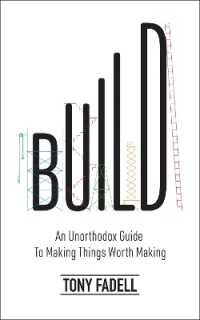
Build: An Unorthodox Guide to Making Things Worth Making
Build by Tony Fadell is a comprehensive guide to product development, innovation, and building successful companies, written by the legendary creator of the iPod, iPhone, and Nest. Drawing from his decades of experience at Apple, Nest, and as an entrepreneur, Fadell shares his unorthodox approach to identifying opportunities, building great products, and creating lasting impact in the world.
The Author: Tony Fadell
A Legendary Career
Tony Fadell is one of the most influential product designers and entrepreneurs of the modern era:
- Apple: Led the team that created the iPod and iPhone
- Nest: Founded and built Nest Labs, revolutionizing smart home technology
- General Magic: Early experience at the pioneering tech company
- Philips: Worked on early mobile computing projects
- Current: Runs Future Shape, an investment and advisory firm
The Impact
- iPod: Transformed the music industry and portable technology
- iPhone: Revolutionized mobile computing and communication
- Nest: Pioneered the smart home and IoT revolution
- Influence: Shaped the direction of consumer technology for decades
The Philosophy of Building
What Makes Something Worth Making?
Fadell begins by exploring the fundamental question of what makes a product or service truly worth creating:
- Solves Real Problems: Addresses genuine pain points and needs
- Creates Value: Provides meaningful benefits to users
- Has Lasting Impact: Changes how people live or work
- Builds on Innovation: Advances technology and human experience
The Unorthodox Approach
- Question Everything: Challenge conventional wisdom and assumptions
- Focus on User Experience: Prioritize how people actually use products
- Think Long-term: Build for lasting impact, not quick wins
- Embrace Constraints: Use limitations as creative opportunities
The Building Mindset
- Curiosity: Always asking “why” and “what if”
- Persistence: Continuing when others give up
- Empathy: Understanding users deeply
- Courage: Taking risks and making bold decisions
Part One: Building Yourself
Developing Your Skills
- Technical Foundation: Building strong technical skills
- Design Thinking: Understanding user-centered design
- Business Acumen: Learning how businesses work
- Leadership: Developing the ability to lead teams
Building Your Network
- Mentors: Finding and learning from experienced people
- Peers: Building relationships with other builders
- Users: Connecting with the people who will use your products
- Investors: Building relationships with potential backers
Building Your Character
- Integrity: Making ethical decisions and keeping promises
- Resilience: Bouncing back from failures and setbacks
- Humility: Learning from mistakes and feedback
- Vision: Having a clear sense of where you want to go
Part Two: Building Your Team
Hiring the Right People
- Skills vs. Character: Prioritizing character and cultural fit
- Diversity: Building teams with different perspectives and backgrounds
- Passion: Finding people who care deeply about the mission
- Growth Potential: Hiring people who can grow with the company
Creating the Right Culture
- Mission-Driven: Aligning everyone around a common purpose
- Collaborative: Encouraging teamwork and knowledge sharing
- Innovative: Fostering creativity and experimentation
- Accountable: Holding people responsible for results
Leading Your Team
- Clear Communication: Ensuring everyone understands goals and expectations
- Empowerment: Giving people the autonomy to make decisions
- Support: Providing the resources and guidance people need
- Recognition: Acknowledging and celebrating achievements
Part Three: Building Your Product
Identifying Opportunities
- Market Research: Understanding customer needs and market dynamics
- Technology Trends: Staying current with emerging technologies
- Pain Points: Identifying problems that need solving
- White Space: Finding gaps in existing solutions
Product Strategy
- Vision: Having a clear picture of what you want to build
- Roadmap: Planning the path from idea to product
- Prioritization: Focusing on what matters most
- Iteration: Continuously improving based on feedback
Design and Development
- User-Centered Design: Putting users at the center of the design process
- Prototyping: Building quick versions to test ideas
- Testing: Validating assumptions with real users
- Refinement: Iterating based on feedback and data
Part Four: Building Your Company
Starting Up
- Idea Validation: Confirming that your idea has market potential
- Team Formation: Assembling the right people for the journey
- Funding: Securing the resources you need to build
- Legal Structure: Setting up the right business structure
Scaling Up
- Processes: Building systems to support growth
- Culture: Maintaining culture as the company grows
- Leadership: Developing leaders at all levels
- Communication: Keeping everyone aligned as the company scales
Managing Growth
- Hiring: Scaling the team while maintaining quality
- Operations: Building systems to support larger operations
- Finance: Managing cash flow and financial planning
- Strategy: Adapting strategy as the market evolves
Key Lessons from Apple
Working with Steve Jobs
- Perfectionism: Steve’s relentless pursuit of excellence
- Simplicity: The power of simple, elegant solutions
- Focus: Saying no to good ideas to focus on great ones
- Timing: Understanding when to launch products
The Apple Way
- Design First: Starting with design, not technology
- User Experience: Prioritizing how people feel when using products
- Integration: Making hardware, software, and services work together
- Brand: Building a brand that people trust and love
Lessons Learned
- Attention to Detail: The importance of getting every detail right
- Customer Focus: Always thinking about the customer experience
- Innovation: Pushing boundaries and taking risks
- Quality: Never compromising on quality
Key Lessons from Nest
Building a New Category
- Smart Home: Creating a new category of connected home products
- User Experience: Making complex technology simple and intuitive
- Design: Creating products that people want to display in their homes
- Ecosystem: Building a platform for other smart home devices
The Nest Approach
- Learning: Products that get better over time
- Automation: Making life easier through intelligent automation
- Energy: Helping people save energy and money
- Security: Protecting people’s homes and families
Challenges and Solutions
- Regulatory: Navigating complex regulatory environments
- Partnerships: Building relationships with utilities and service providers
- Technology: Developing new technologies and standards
- Market Education: Teaching people about new product categories
Innovation and Technology
The Innovation Process
- Ideation: Generating and evaluating new ideas
- Research: Understanding the current state of technology
- Prototyping: Building and testing early versions
- Validation: Confirming that ideas work in the real world
Technology Trends
- Artificial Intelligence: Using AI to make products smarter
- Internet of Things: Connecting devices and creating ecosystems
- Sustainability: Building products that are good for the planet
- Privacy: Protecting user data and privacy
The Future of Technology
- Wearables: Technology that becomes part of us
- Augmented Reality: Overlaying digital information on the real world
- Autonomous Systems: Technology that operates independently
- Human-Centered Design: Technology that serves human needs
Leadership and Management
Leading Through Change
- Vision: Having a clear vision of the future
- Communication: Helping people understand and embrace change
- Support: Providing the resources people need to succeed
- Recognition: Acknowledging the contributions of team members
Decision Making
- Data-Driven: Using data to inform decisions
- Intuition: Trusting your gut when data is incomplete
- Consensus: Building agreement among stakeholders
- Speed: Making decisions quickly when needed
Managing Conflict
- Open Communication: Encouraging honest dialogue
- Mediation: Helping people resolve disagreements
- Focus on Goals: Keeping everyone focused on common objectives
- Respect: Treating everyone with respect and dignity
Entrepreneurship and Business
Starting a Company
- Idea: Having a compelling idea that solves a real problem
- Team: Assembling the right people to execute the idea
- Funding: Securing the capital needed to build the business
- Execution: Actually building and launching the product
Building a Business Model
- Value Proposition: Clearly articulating the value you provide
- Revenue Streams: Identifying how you’ll make money
- Cost Structure: Understanding your costs and how to manage them
- Key Partners: Building relationships with suppliers, distributors, and others
Scaling a Business
- Processes: Building systems to support growth
- People: Hiring and developing the right people
- Culture: Maintaining culture as the company grows
- Strategy: Adapting strategy as the market evolves
Product Development
The Product Development Process
- Research: Understanding user needs and market opportunities
- Ideation: Generating and evaluating product ideas
- Design: Creating the user experience and visual design
- Development: Building the actual product
- Testing: Validating the product with users
- Launch: Bringing the product to market
- Iteration: Continuously improving the product
User-Centered Design
- Empathy: Understanding users deeply
- Research: Studying how people actually use products
- Prototyping: Building quick versions to test ideas
- Testing: Getting feedback from real users
- Iteration: Improving based on feedback
Design Principles
- Simplicity: Making complex things simple
- Clarity: Making the purpose and function clear
- Elegance: Creating beautiful, refined solutions
- Accessibility: Making products usable by everyone
Team Building and Culture
Building Great Teams
- Hiring: Finding people with the right skills and character
- Onboarding: Helping new people get up to speed quickly
- Development: Helping people grow and develop their skills
- Retention: Keeping great people engaged and motivated
Creating the Right Culture
- Values: Defining what’s important to the organization
- Behaviors: Modeling the behaviors you want to see
- Recognition: Acknowledging and celebrating achievements
- Feedback: Providing regular, constructive feedback
Leadership Development
- Mentoring: Helping people develop their leadership skills
- Delegation: Giving people the autonomy to make decisions
- Coaching: Providing guidance and support
- Succession: Planning for leadership transitions
Marketing and Sales
Building a Brand
- Identity: Defining who you are and what you stand for
- Messaging: Communicating your value proposition clearly
- Visual Design: Creating a consistent visual identity
- Voice: Developing a consistent tone and personality
Go-to-Market Strategy
- Target Market: Identifying your ideal customers
- Channels: Choosing the right ways to reach customers
- Messaging: Crafting messages that resonate with customers
- Timing: Launching at the right time
Customer Acquisition
- Marketing: Creating awareness and interest
- Sales: Converting interest into customers
- Partnerships: Working with others to reach customers
- Referrals: Encouraging customers to recommend you
Operations and Execution
Building Systems
- Processes: Creating repeatable ways of doing things
- Tools: Using technology to automate and streamline
- Metrics: Measuring what matters
- Continuous Improvement: Always looking for ways to get better
Managing Resources
- People: Hiring, developing, and retaining talent
- Money: Managing cash flow and financial planning
- Time: Prioritizing and managing time effectively
- Technology: Choosing and implementing the right tools
Quality and Reliability
- Standards: Setting high standards for quality
- Testing: Thoroughly testing products before launch
- Monitoring: Keeping track of how products perform
- Improvement: Continuously improving quality
The Future of Building
Emerging Trends
- Sustainability: Building products that are good for the planet
- Inclusivity: Making products accessible to everyone
- Privacy: Protecting user data and privacy
- Ethics: Building products that are good for society
The Role of Technology
- Artificial Intelligence: Using AI to make products smarter
- Automation: Automating routine tasks and processes
- Connectivity: Connecting devices and creating ecosystems
- Personalization: Tailoring products to individual users
Building for Impact
- Social Good: Building products that make the world better
- Environmental Impact: Considering the environmental impact of products
- Economic Impact: Creating jobs and economic opportunity
- Cultural Impact: Shaping how people live and work
Conclusion
Build provides a comprehensive guide to creating products, teams, and companies that make a lasting impact. Drawing from his experience at Apple, Nest, and as an entrepreneur, Tony Fadell shares practical insights and lessons learned about innovation, leadership, and building things worth making.
Key takeaways from the book include:
- Focus on solving real problems and creating genuine value
- Build great teams and create the right culture
- Prioritize user experience and design
- Embrace constraints and use them as creative opportunities
- Think long-term and build for lasting impact
- Lead with vision and empower your team
- Never compromise on quality or user experience
- Build products that make the world better
Most importantly, the book emphasizes that building things worth making is not just about creating successful products, but about creating products that improve people’s lives and make a positive impact on the world. By focusing on user needs, building great teams, and maintaining high standards, anyone can create products and companies that matter.
“The best products are the ones that disappear into your life, making everything better without you even noticing they’re there.” — Tony Fadell