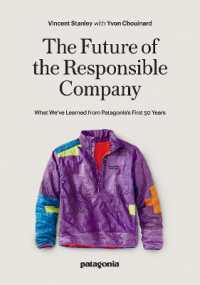
The Responsible Company: What We’ve Learned from Patagonia’s First 50 Years
In “The Responsible Company: What We’ve Learned from Patagonia’s First 50 Years,” Yvon Chouinard, founder of outdoor clothing giant Patagonia, together with Vincent Stanley, the company’s director of philosophy, share insights from five decades of sustainable business practices. This follow-up to Chouinard’s bestselling memoir “Let My People Go Surfing” delves deeper into the practical aspects of running a responsible company in today’s world.
The Patagonia Philosophy
The book centers around Patagonia’s core philosophy: “We’re in business to save our home planet.” This radical approach challenges traditional business models that prioritize profit above all else. Chouinard and Stanley explain how Patagonia has consistently placed environmental responsibility at the center of its operations, from sourcing sustainable materials to implementing fair labor practices.
Key Lessons from 50 Years
The authors share several key lessons Patagonia has learned over its five decades:
-
Business as a Force for Good: Companies can and should be vehicles for positive environmental and social change, not just profit generators.
-
Transparency is Essential: Patagonia’s commitment to transparency in its supply chain and business practices has helped build trust with consumers and stakeholders.
-
Quality Over Quantity: By focusing on durable, high-quality products, Patagonia has reduced waste while building a loyal customer base.
-
Innovation Through Responsibility: Environmental constraints have often driven Patagonia to innovate, resulting in breakthrough products and processes.
-
The Power of Activism: The company’s willingness to take bold political stances on environmental issues has strengthened its brand and mission.
Practical Guidance for Businesses
Beyond Patagonia’s story, the book offers practical guidance for businesses of all sizes looking to become more responsible:
- Start with Your Values: Clearly define what your company stands for and let those values guide all decisions.
- Measure What Matters: Track your environmental and social impact, not just financial metrics.
- Engage Your Stakeholders: Involve employees, customers, and communities in your sustainability efforts.
- Be Patient and Persistent: Building a responsible company is a long-term commitment that requires consistent effort.
Conclusion
“The Responsible Company” is both an inspiring story of how one company has challenged conventional business wisdom and a practical guide for others who want to follow a similar path. Chouinard and Stanley demonstrate that profitability and environmental responsibility are not mutually exclusive but can be mutually reinforcing.
The book serves as a manifesto for a new kind of capitalism—one that recognizes the finite nature of our planet’s resources and seeks to create value for all stakeholders, not just shareholders.