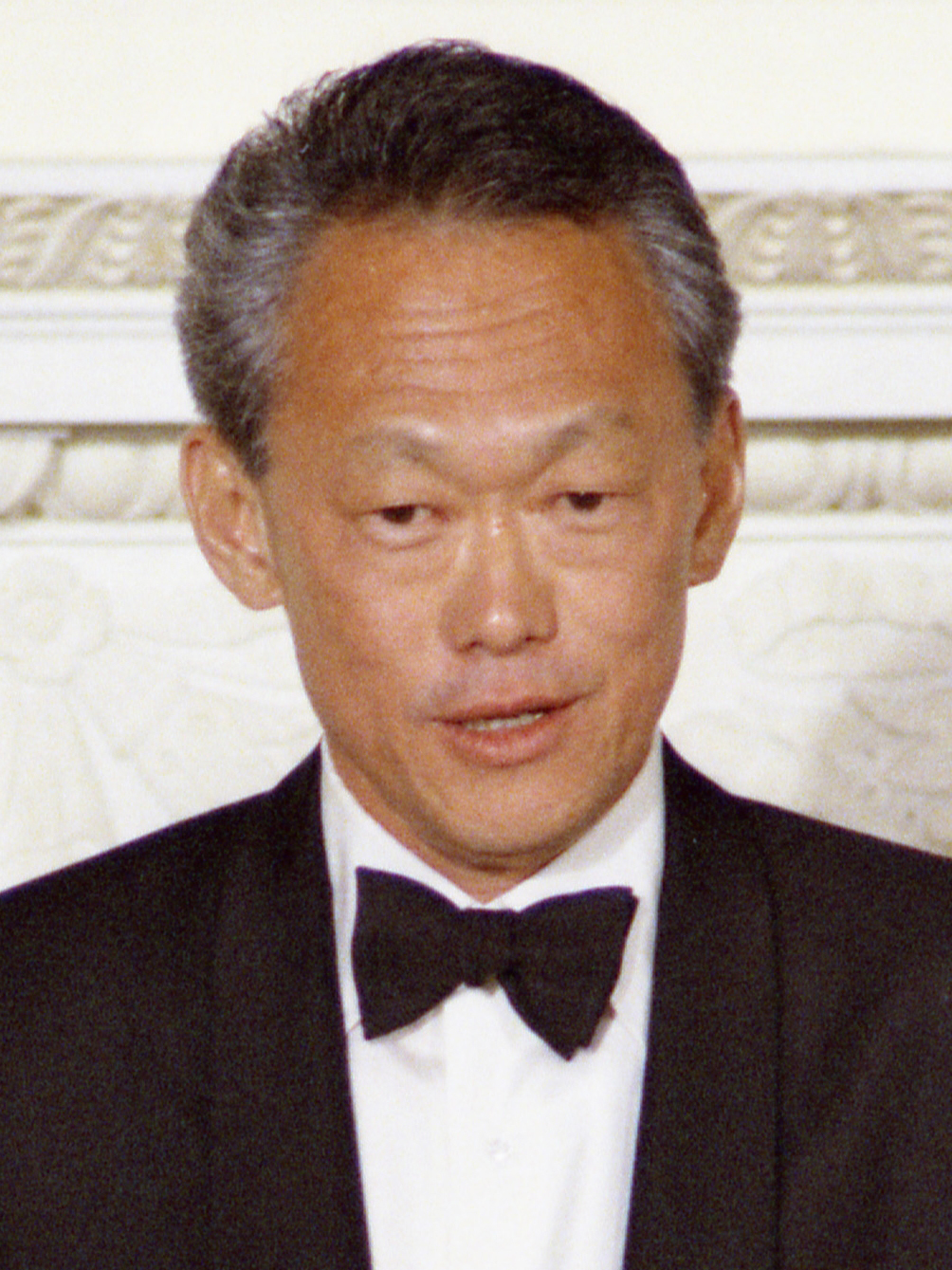

Lee Kuan Yew: Architect of Modern Singapore
Lee Kuan Yew, Singapore’s first Prime Minister, was a towering figure in 20th-century politics. His leadership transformed a small island nation with no natural resources into a thriving global hub, a testament to his vision, pragmatism, and unwavering commitment to his country’s future.
Early Life and Political Beginnings
Born in Singapore in 1923, Lee Kuan Yew was educated at Raffles College and later at Cambridge University, where he studied law. Upon his return to Singapore, he became a prominent figure in the anti-colonial movement, advocating for self-governance and independence.
Nation Building and Economic Transformation
As Prime Minister from 1959 to 1990, Lee Kuan Yew spearheaded Singapore’s rapid economic development. He implemented policies focused on education, infrastructure, and attracting foreign investment, laying the groundwork for Singapore’s prosperity. His government also prioritized social cohesion in a multi-ethnic society, fostering a sense of national identity.
Key Leadership Principles
Lee Kuan Yew’s leadership was characterized by:
- Pragmatism: A focus on practical solutions that worked, rather than rigid ideologies.
- Meritocracy: A system where individuals are advanced based on their abilities, not their background.
- Long-Term Planning: A strategic approach to national development, looking decades ahead.
- Integrity and Discipline: A strong emphasis on clean governance and strict adherence to rules.
Legacy and Global Influence
Lee Kuan Yew’s legacy extends far beyond Singapore’s borders. His model of governance, often referred to as ‘Lee Kuan Yew’s Singapore’, has been studied by leaders worldwide seeking to achieve rapid development and social stability. He remained an influential figure even after stepping down as Prime Minister, serving as Senior Minister and then Minister Mentor, continuing to offer guidance and insights until his passing in 2015.